
A Secret Shared with the Reader
The Bluest EyeThis flow follows how the novel’s shifting voices and fractured form move readers from partial knowledge toward an uncomfortable share in the community’s responsibility.
increasing Bearing strength in each event
 decreasing
Bearing strength in each eventdecreasingThe Whispered Invitation
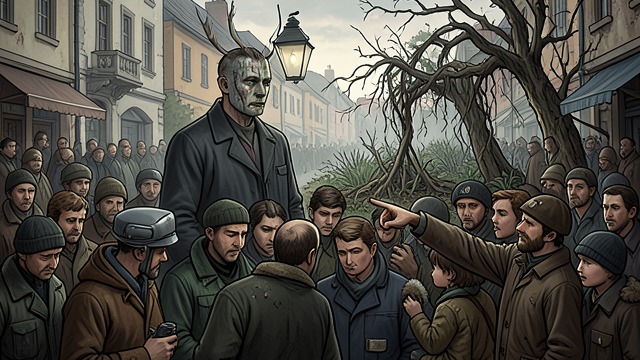
Entering the Confidence
A phrase of intimacy
The opening phrase, “Quiet as it’s kept,” sounds like a confidence shared inside a community. It draws the reader close before explaining what the story contains, making the act of reading resemble listening to a conversation that is both revealed and protected.
A secret with consequences
The first disclosure concerns the absence of marigolds, while the reason offered—Pecola’s pregnancy—initially arrives through a child’s understanding. The mismatch between a garden’s failure and a child’s violation directs attention to the limits of what the narrators can know and to the silence adults maintain around painful events.
The invitation is therefore not simply friendly. It makes the reader a privileged listener to a story that the surrounding world would prefer to treat as gossip or private misfortune.
The Primer Breaks Apart

Form as Social Pressure
Repetition and disintegration
The Dick-and-Jane refrain begins as a conventional lesson and returns in increasingly compressed, crowded forms. Its order contrasts with the disorder of the lives that follow, while its collapse into unbroken text makes the ideal family seem less secure the more insistently it is repeated.
A reader asked to assemble
The novel’s seasonal sections interrupt and rearrange the family histories, forcing readers to connect details that do not arrive in a single chronological line. This structure mirrors the children’s partial knowledge and the fractured realities of the adults around them.
The formal contrast does more than decorate the narrative. It places pressure on the reader to see how a supposedly universal model can exclude the people whose experiences the story asks us to reconstruct.
Children Misread Adult Worlds
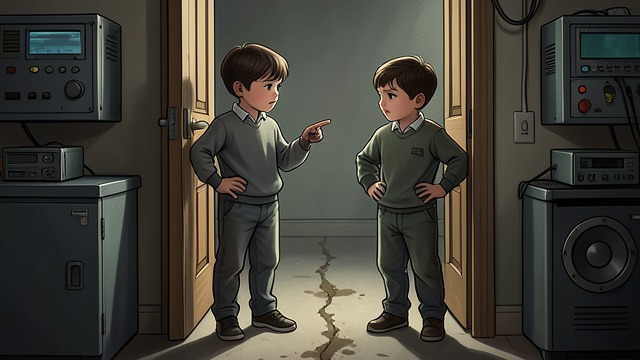
Knowledge in a Child’s Voice
Listening without full meanings
Claudia explains that she and Frieda often cannot understand the grown-ups’ words, so they read faces, hands, feet, and vocal tone for what they call truth. Their point of view registers care and threat before it can explain the social systems behind either.
Partial understanding as method
The children’s explanations of menstruation, sex, and adult behavior are frequently mistaken or incomplete. Yet their uncertainty exposes the failures of adult communication: crucial matters are hidden, reduced to commands, or discussed over children’s heads rather than with them.
The narrative does not make childhood knowledge a complete account. Instead, its gaps require the reader to consider what the girls cannot yet name and what adults refuse to make speakable.
The Reader’s Reassembled Story
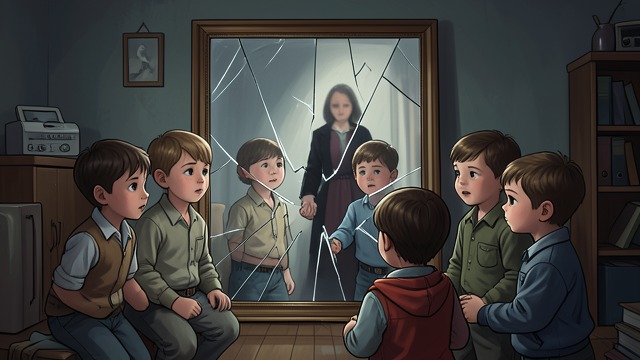
From Fragments to Responsibility
Reconstructing what happened
The girls gather details about Pecola’s pregnancy from separate conversations, gradually assembling a story that adults discuss without offering the child meaningful protection. Their piecemeal discovery makes the reader share the same work of connection, though the reader has a broader view of the harms surrounding it.
Exposure without easy distance
The fragments reveal not only Cholly’s violence but also the community’s willingness to speculate about the victim. The reader is asked to distinguish understanding from the spectatorship practiced by the neighbors, who turn a crisis into talk and withhold compassion.
The narrative form distributes knowledge slowly, then makes that delay ethically significant. It becomes harder to claim that the story belongs only to one damaged family when the surrounding voices help decide how the damage will be received.
A Confession of Complicity
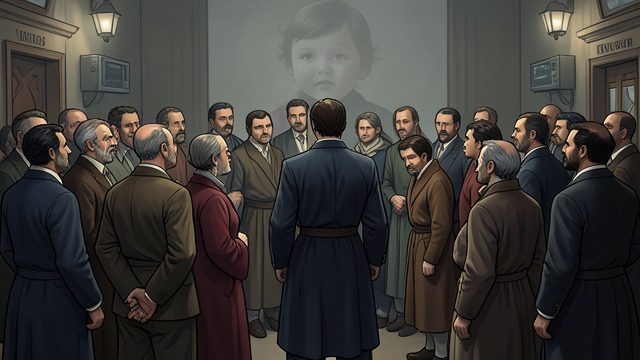
The Narrator Looks Back
From pity to scrutiny
Claudia recalls the child’s suffering and recognizes that pity alone can preserve the observer’s sense of innocence. The community used Pecola’s poverty, pain, and difference to feel generous and strong by comparison, treating its own temporary moral comfort as proof of goodness.
The reader within the circle
The concluding address broadens the indictment beyond the people who directly harmed the child. It challenges the desire to admire the narrator’s insight while remaining outside the social arrangements that made the child a scapegoat. The reader, too, has received the story’s disclosures and must decide how to interpret them.
The novel’s structure therefore closes the loop opened by its whispered invitation. A private confidence becomes public testimony, and the reader’s position as listener carries a responsibility not to mistake recognition for repair.
At the opening sentence, before the seasonal narrative begins
At the opening and at transitions into the autumn, winter, spring, and summer sections
Across the autumn and winter recollections of the MacTeer sisters
During the summer, when the sisters piece together the pregnancy gossip
In the closing reflection, after Pecola has withdrawn from the community
